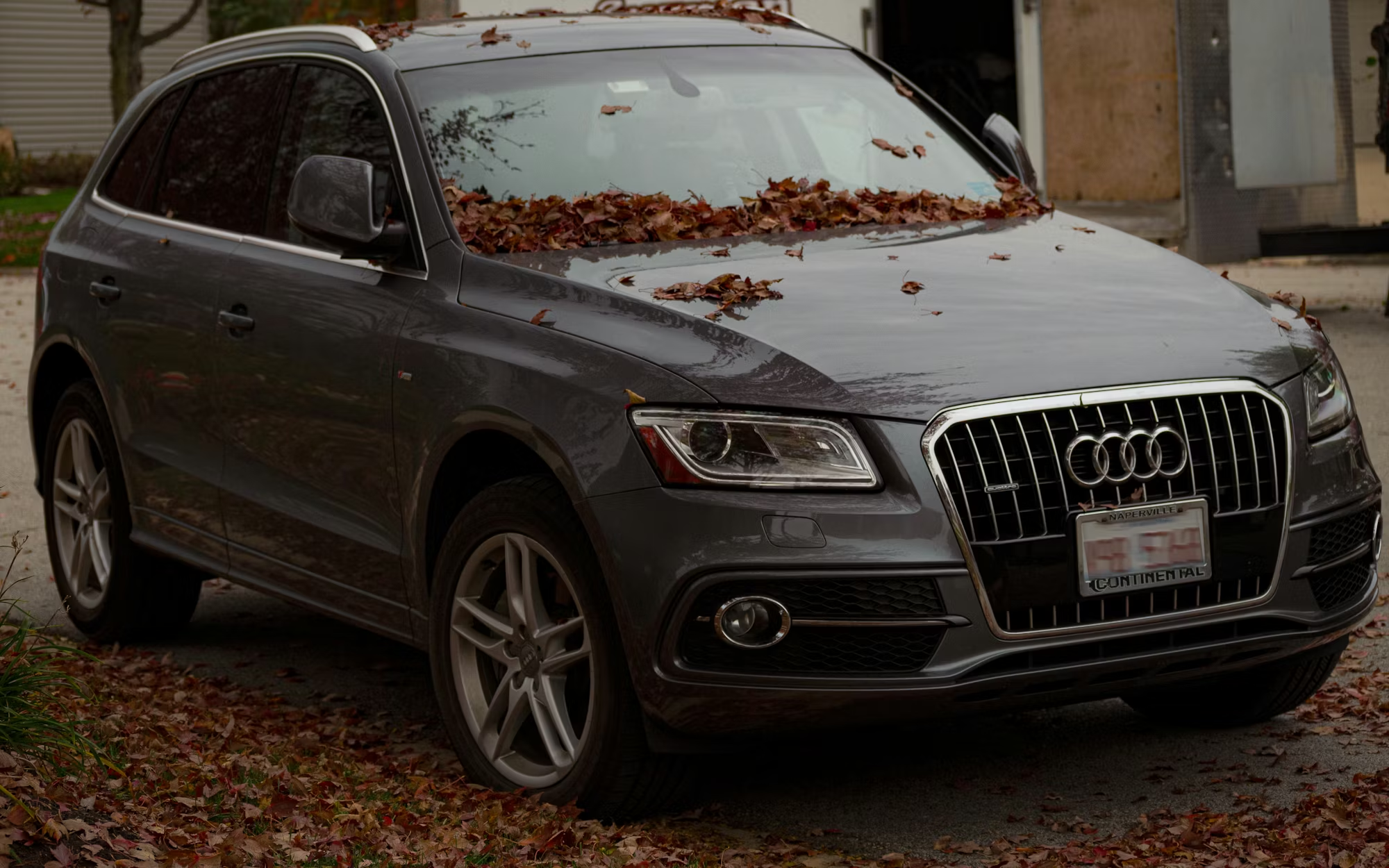
Sport Utility Vehicles (SUVs) have surged in popularity over the past few decades, becoming a dominant force in the automotive market. With their combination of spaciousness, versatility, and advanced features, SUVs cater to a broad range of consumers, from families to adventure seekers. This article delves into the trends shaping the SUV market, the technology driving innovation, and the evolving preferences of consumers.
The SUV market has seen remarkable growth, and several factors contribute to this trend. One primary driver is the increasing demand for larger vehicles that offer more cargo space and passenger capacity. Families often prefer SUVs for their ability to accommodate both children and gear, making them an ideal choice for road trips and daily commutes. Furthermore, the heightened emphasis on safety has led many consumers to gravitate towards SUVs, which typically have a higher driving position and a more robust frame compared to sedans.
As consumer preferences evolve, automakers are responding with an expanding array of SUV options. From compact crossovers to full-size models, the variety available allows consumers to choose a vehicle that best fits their lifestyle. Compact SUVs are particularly appealing to urban dwellers who desire the benefits of an SUV without sacrificing maneuverability and parking ease. Conversely, larger SUVs are gaining traction among those who prioritize spaciousness and towing capacity for recreational activities.
The technological advancements in SUVs are also noteworthy. Many modern SUVs come equipped with features that enhance comfort, convenience, and safety. Infotainment systems have become more sophisticated, offering seamless integration with smartphones, navigation tools, and entertainment options. Advanced driver-assistance systems (ADAS) are increasingly common, providing features such as adaptive cruise control, lane-keeping assistance, and automatic emergency braking. These innovations not only improve the driving experience but also contribute to overall safety, addressing consumer concerns about accidents and collisions.
Electric SUVs are emerging as a significant trend within the broader SUV market. With the growing focus on sustainability and reducing carbon footprints, automakers are developing electric models that combine the benefits of SUVs with eco-friendly technology. Electric SUVs offer the same spaciousness and versatility that consumers love while contributing to cleaner air and lower emissions. Models such as the Tesla Model Y and Ford Mustang Mach-E are gaining popularity, appealing to environmentally conscious buyers without compromising on performance or utility.
Hybrid SUVs are also capturing consumer interest, offering a middle ground between traditional gasoline engines and fully electric vehicles. These vehicles utilize a combination of an internal combustion engine and an electric motor, improving fuel efficiency while maintaining the driving range that consumers expect. As the technology improves and battery costs decrease, hybrid SUVs are expected to become more prevalent in the market, further diversifying consumer options.
In addition to technological advancements, consumer preferences are shifting towards greater customization and personalization options. Buyers are increasingly looking for vehicles that reflect their unique style and needs. Automakers are responding by offering a wide range of trim levels, color options, and packages that allow customers to tailor their SUVs to their specifications. This trend highlights the desire for individuality and the importance of making a personal statement through vehicle choice.
The rise of online car buying platforms is another factor influencing consumer behavior in the SUV market. As shoppers increasingly turn to the internet for research and purchasing, automakers and dealerships are adapting to provide a seamless online experience. Virtual showrooms, home delivery options, and comprehensive online resources make it easier for consumers to find and purchase the SUV that meets their needs. This shift in how consumers shop for vehicles emphasizes convenience and accessibility in the buying process.
The SUV segment is also experiencing changes driven by demographic shifts. Younger consumers, particularly millennials and Gen Z, are increasingly entering the SUV market. This demographic values technology, sustainability, and practicality, which align with many of the features offered by modern SUVs. As these younger generations continue to grow in purchasing power, their preferences will likely shape the future of the SUV market, pushing automakers to prioritize innovation and sustainability.
Additionally, the competitive landscape of the SUV market is evolving as traditional automakers face increased competition from new entrants, particularly in the electric and hybrid segments. Startups and tech companies are making significant strides in developing electric SUVs, introducing fresh ideas and approaches that challenge established brands. This competition fosters innovation and can lead to better products and services for consumers, ultimately benefiting the market as a whole.
As we look to the future, it is clear that SUVs will continue to play a crucial role in the automotive landscape. With their ability to adapt to changing consumer preferences and incorporate the latest technologies, SUVs are poised to maintain their popularity. Automakers are likely to focus on enhancing fuel efficiency, expanding electric and hybrid offerings, and integrating advanced technology to improve the driving experience.
In conclusion, the SUV market is a dynamic and rapidly evolving segment of the automotive industry. Driven by consumer demand for space, safety, and versatility, SUVs have become a staple on roads worldwide. As technological innovations continue to shape this market, automakers are responding to the diverse needs of consumers, from electric options to customizable features. The future of SUVs looks promising, with the potential for exciting developments that will redefine how we experience transportation. By understanding and adapting to consumer preferences, the SUV segment will remain a vital component of the automotive industry for years to come.